In Japan, a meal begins and ends with words.
Not to fill silence,
but to honor the invisible hands that made the meal possible.
Today’s riddle is the quiet beauty behind
itadakimasu and gochisousama.
Today’s Riddle is…

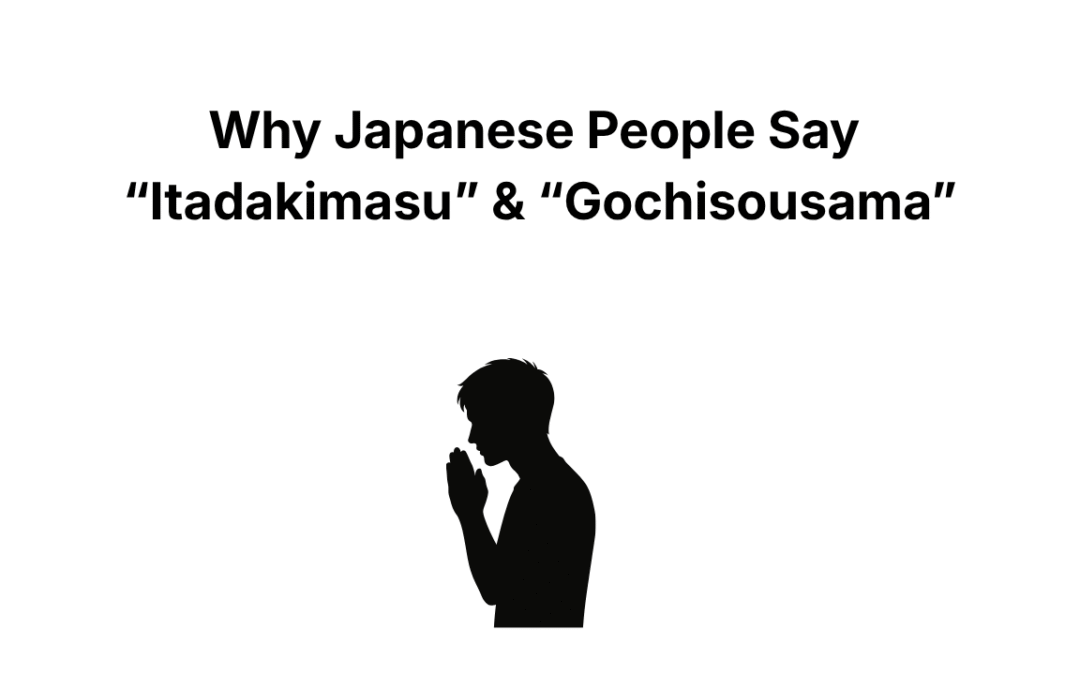
Why do Japanese people say “itadakimasu” before eating
and “gochisousama” after finishing a meal?
Ridley & Nazonazo-san

Ridley :
“I know itadakimasu means ‘I humbly receive,’
but it feels deeper than that. What am I actually receiving?”

Nazonazo-san:
“Not just food.
You’re receiving every life, every hand, every moment behind it.”
What Itadakimasu Really Means
“Itadakimasu” is not a ritual.
It is a soft acknowledgment of the chain of life that brought food to the table.
Inside the word are:
- the farmers who grew the ingredients
- the hands that prepared them
- the life of the plants or animals
- the time and weather that nurtured them
- the person who cooked the meal
It means:
‘I receive this life with respect.’
Not religious.
Not formal.
Just… quiet gratitude.
What Gochisousama Really Means
When the meal ends,
the Japanese say:
“Gochisousama.”
“Thank you for the feast.”
The original meaning comes from
“running around to gather ingredients.”
It honors effort.
It means:
‘Thank you for the work behind this meal.’
It closes the meal with appreciation,
returning gentle energy to the person who cooked
—or to the universe itself.
In Everyday Japan
You’ll hear these words:
- at home
- in restaurants
- in cafeterias
- even alone, quietly
Because the point is not who hears it.
The point is your own awareness.
Saying “itadakimasu” opens the meal.
Saying “gochisousama” closes it.
A beginning and an ending — like breathing.
Why It Confuses Foreigners
Many languages say “thank you” to the person who cooks.
But “itadakimasu” thanks the whole cycle of life.
“Gochisousama” thanks the effort behind it.
It’s a combination of:
- gratitude
- humility
- mindfulness
- connection with nature
A cultural idea that doesn’t translate neatly.
The philosophy of Eating
To eat is to take life.
But to acknowledge that life – that is what makes eating sacred.
When Japanese people say “Itadakimasu” and “Gochisousama deshita,” they are not just being polite – they are expressing gratitude for the invisible connections that sustain life.
Food tastes different
when eaten with gratitude.
These two small phrases
quietly transform a meal into a moment.