
Riddlique
Why Japanese…?
Unlocking Japan’s everyday riddles
Why do Japanese people choose this way?
Start Here
Why do Japanese people choose this way?
To understand Japan, begin with three small questions:
Why “sumimasen” says more than sorry.
Why “no” is rarely spoken.
And why silence is often understood.
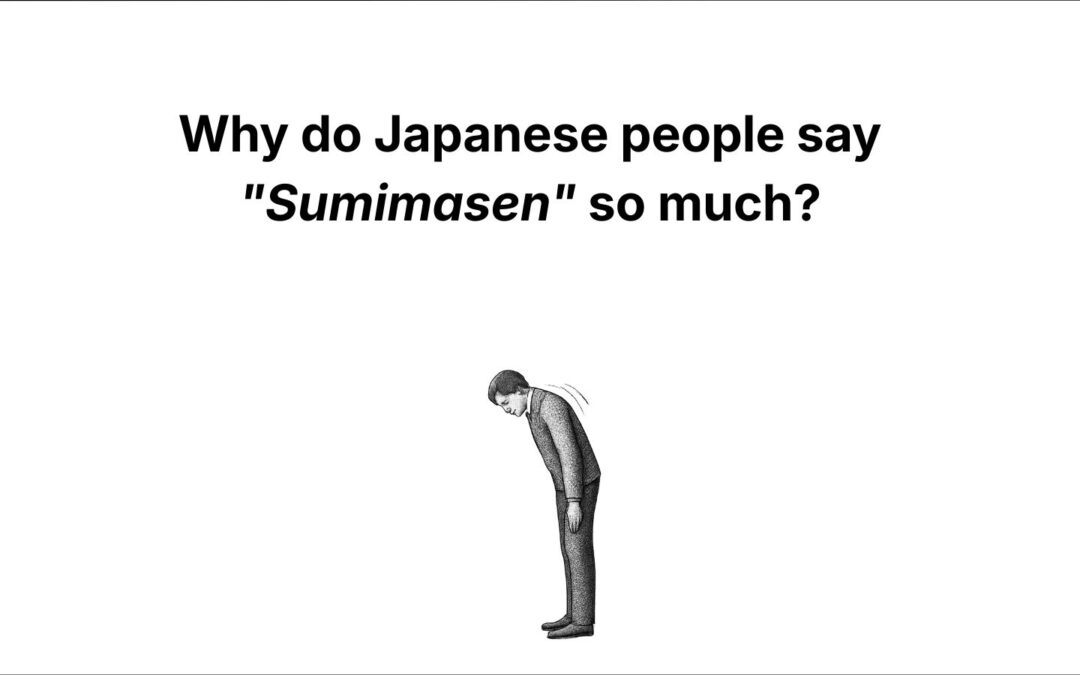
Why do Japanese people say “Sumimasen” so much?
Sometimes, a single Japanese wordcarries more emotion than a whole sentence. Today’s riddle is sumimasen —a word that apologizes, thanks, and softens the space between people. Today's...
Why do Japanese people avoid saying “NO”?
Today's Riddle is...Why do Japanese people rarely say “no” directly?Even when they disagree, even when they can’t help,they answer with soft phrases...

What does it mean to “read the air”?
Today's Riddle is...Why do Japanese people rarely say a clear “No”?And why do they expect others to “read the air”—a phrase that seems invisible yet...
The Four Islands of Riddlique
Why Japanese people choose this way.
Language & Behavior
How Japanese people communicate without saying things directly.
Words in Japan often carry more than meaning.
They soften space, protect harmony, and reveal what is left unsaid.
Why do Japanese people value personal space?
Today’s riddle is…Why do Japanese people keep such a careful distance from others?They avoid physical contact, rarely touch strangers,and even in crowded places, they seem to protect an invisible boundary. Is it shyness?Politeness?Or something deeper hidden in...
Why do Japanese people start using a new wallet at the New Year?
Today’s riddle is…Why do so many Japanese people buy a new wallet at the end of the yearand start using it on January 1st? Is it about money?Luck?Or something deeper hidden in the idea of “beginning”? What It Really MeansIn Japan, the New Year is not just a change of...

Why do Japanese people send New Year Cards instead of Christmas Cards?
Today's Riddle is...In many countries, December is filled with Christmas cards.People send messages of warmth, joy, and celebration before the year ends. But in Japan, something feels different. Instead of Christmas cards, Japanese people send New Year cards—after the...
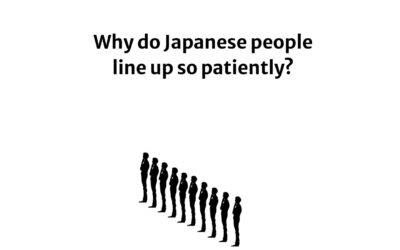
Why do Japanese people line up so patiently?
Today's Riddle is...Why do Japanese people line up so quietly and patiently?At train platforms, shops, elevators, even vending machines—people wait, sometimes for a long time, without complaint.Is it discipline? Obedience? Or something more subtle? What...
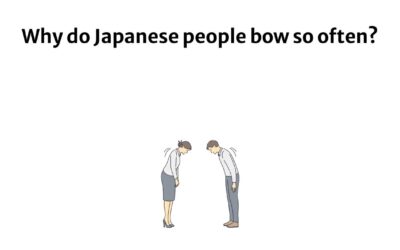
Why do Japanese people bow so often?
Today's Riddle is...Why do Japanese people bow so often?When meeting, thanking, apologizing, or even speaking on the phone—their bodies move before their words do.Is it just politeness, or is something deeper being expressed? What It Really MeansBowing in Japan is not...
Everyday Life
Small rules that quietly keep everyday life peaceful.
From silent trains to returned wallets,
Japan’s daily habits are not accidents — they are shared agreements.
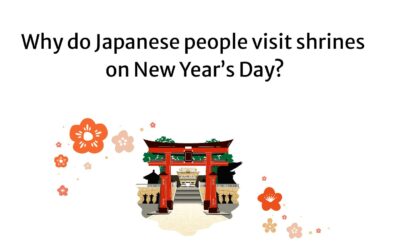
Why do Japanese people visit shrines on New Year’s Day?
Today’s riddle is…Why do millions of Japanese people quietly walk to shrines and temples at the beginning of the year?They line up in silence, wash their hands, bow, clap, and whisper wishes.Is it religion? Tradition? Or something deeper—something unspoken? What It...

Why does Japan have Zodiac animals instead of Santa?
Today’s riddle is…In many countries, the end of the year means Santa Claus.But in Japan, the new year begins with animals. Why does a dragon, a rabbit, or a snake appearwhere Santa never does? What It Really MeansJapanese zodiac animals, called Eto (干支), are not...
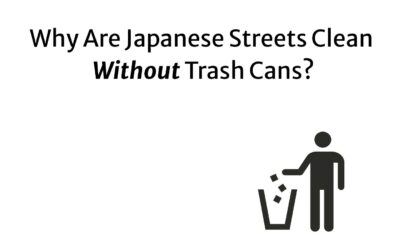
Why Are Japanese Streets Clean Without Trash Cans?
Today's Riddle is...You walk through Tokyo.The streets are spotless.Not a single piece of trash in sight. But then you notice something strange. There are almost no trash cans. No bins on the streets.No bins near vending machines.Sometimes, not even at train stations....
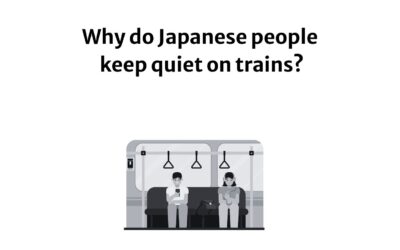
Why do Japanese people keep quiet on trains?
Today's Riddle is...Visitors often notice it immediately. Rush hour trains packed with people—yet no loud phone calls,no shouting across seats,no music leaking from headphones. In many countries, public transport is noisy by nature.So why, in Japan, does silence seem...
Why do Japanese people return lost items?
Today's Riddle is...In many countries, losing something means it’s gone forever.But in Japan, wallets, phones—even cash—often come back. Why do Japanese people return lost itemseven when no one is watching? Is it honesty?Fear of punishment?Or something quieter than...
Food & Ritual
What Japanese food rituals really mean.
Food in Japan is not just nourishment.
It marks endings, beginnings, and the invisible ties between people.
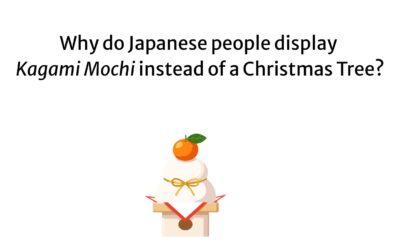
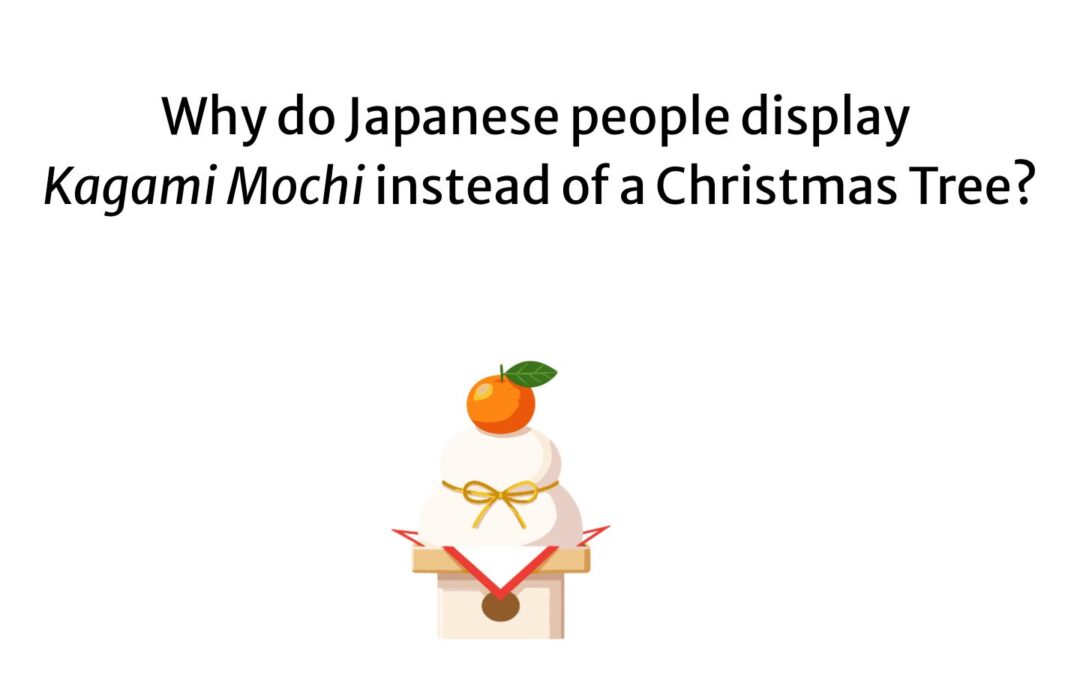
Why do Japanese people display “Kagami Mochi” instead of a Christmas Tree?
Today’s riddle is…In December, many countries bring a tree into their homes.But in Japan, people place two round rice cakes on a small stand. No lights.No ornaments.Just white mochi, an orange on top, and quiet intention. Why? “I see Christmas trees everywhere...
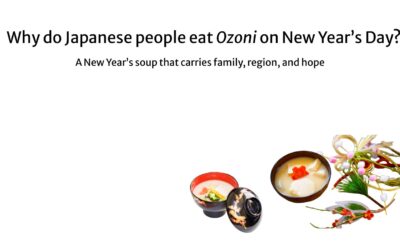
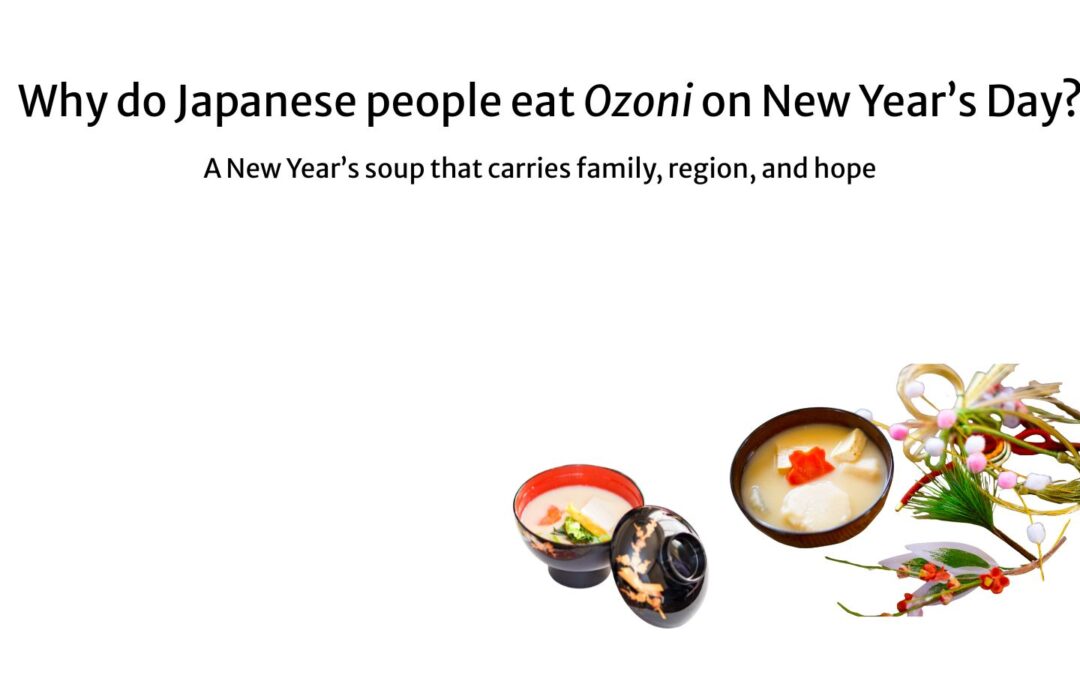
Why do Japanese people eat Ozoni on New Year’s Day?
Today's Riddle is...On New Year’s morning in Japan, many families eat a warm soup called ozoni.It looks simple—clear broth, vegetables, and a piece of mochi—but no two bowls are exactly the same. Some have clear soup, others miso.Some use chicken, others fish.The...
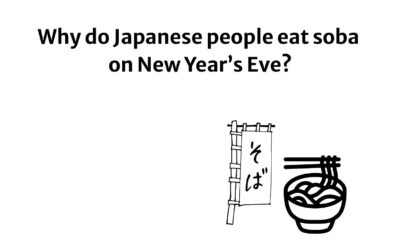
Why do Japanese people eat soba on New Year’s Eve?
Today's Riddle is...On the last night of the year,while fireworks light the sky in many countries,Japanese people quietly eat a bowl of soba. Why soba?Why not a feast, or something sweet?What is hidden in this simple bowl at the edge of the year? What It Really...
Why Japanese People Choose Hojicha to Relax
In Japan, when people feel tired, overwhelmed, or simply need a moment of quiet,there’s one tea they reach for: Hojicha. Not matcha.Not sencha.But a warm, roasted tea with a calming aroma. Today’s riddle is:Why do Japanese people relax with hojicha?“I thought matcha...
Why Japanese People Love Genmaicha
Today's Riddle is...Why do Japanese people feel such comfort when they drink genmaicha,the green tea mixed with roasted brown rice? It’s not as famous as matcha.Not as premium as gyokuro.Not as trendy as hojicha. Yet—genmaicha is one of the most “Japanese” teas ever...
“Itadakimasu” & “Gochisousama” – The Japanese Ritual of Gratitude
In Japan, a meal begins and ends with words.Not to fill silence,but to honor the invisible hands that made the meal possible. Today’s riddle is the quiet beauty behinditadakimasu and gochisousama.Today's Riddle is...Why do Japanese people say “itadakimasu” before...
Ideas & Philosophy
Ideas that shape how Japanese people see the world.
Wabi-sabi, mushin, impermanence —
not abstract concepts, but ways of living with uncertainty.
Mushin – Why “Empty Mind” in Japan Is Not Empty at All
Why “Empty Mind” in Japan Is Not Empty at All Ridley sat quietly in a Zen temple garden in Kyoto.He had joined a short Zazen session for visitors.The monk said, “Empty your mind.” Ridley tried. He tried not to think.He tried not to judge.He tried not to try. Soon, he...

Wabi-Sabi
Why does a broken bowl become more precious in Japan? Ridley stood in front of a small tea bowl in a museum in Kyoto.It was cracked — yet covered with gold. “Why is this broken bowl displayed like treasure?”he whispered. Beside him, Nazonazo-san smiled gently....
Mujō – The Zen Beauty of Impermanence
Sometimes, a single Zen word reminds us of somethingwe already knew… but often forget. Today’s whisper is mujō — impermanence. Zen RiddleZen Riddle:If everything is always changing,why do we feel surprised when it actually does?Cultural UnpackIn Japanese...
Ridley & Nazonazo-san Stories
Ridley
A curious international student who came to Japan with one suitcase and a million questions.
He notices the tiny cultural puzzles that locals overlook — from polite phrases to silent rules — and turns every mystery into a story.
Ridley represents the outsider’s wonder, honesty, and the courage to ask “Why?” in a world that often answers with silence.

Nazonazo-san
A gentle, enigmatic figure who moves through Japan with the stillness of a temple garden.
He knows the stories behind the customs, the reasons behind the silence, and the emotions behind every “sumimasen.”
He doesn’t solve mysteries — he invites others to see differently.
To Ridley, he is a mentor, a mirror, and sometimes… a riddle himself.
Explore all Riddles
Why do Japanese people display “Kagami Mochi” instead of a Christmas Tree?
Today’s riddle is…In December, many countries bring a tree into their homes.But in Japan, people place two round rice cakes on a small stand. No lights.No ornaments.Just white mochi, an orange on top, and quiet intention. Why? “I see Christmas trees everywhere...
Why do Japanese people eat Ozoni on New Year’s Day?
Today's Riddle is...On New Year’s morning in Japan, many families eat a warm soup called ozoni.It looks simple—clear broth, vegetables, and a piece of mochi—but no two bowls are exactly the same. Some have clear soup, others miso.Some use chicken, others fish.The...
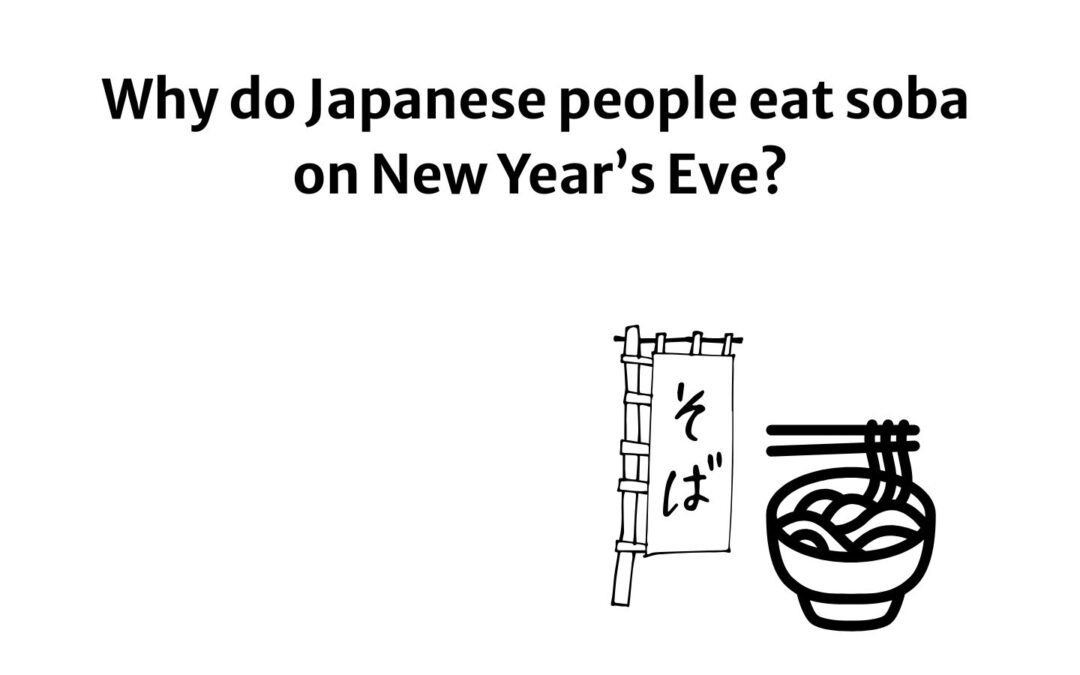
Why do Japanese people eat soba on New Year’s Eve?
Today's Riddle is...On the last night of the year,while fireworks light the sky in many countries,Japanese people quietly eat a bowl of soba. Why soba?Why not a feast, or something sweet?What is hidden in this simple bowl at the edge of the year? What It Really...

Why Japanese People Choose Hojicha to Relax
In Japan, when people feel tired, overwhelmed, or simply need a moment of quiet,there’s one tea they reach for: Hojicha. Not matcha.Not sencha.But a warm, roasted tea with a calming aroma. Today’s riddle is:Why do Japanese people relax with hojicha?“I thought matcha...

Why Japanese People Love Genmaicha
Today's Riddle is...Why do Japanese people feel such comfort when they drink genmaicha,the green tea mixed with roasted brown rice? It’s not as famous as matcha.Not as premium as gyokuro.Not as trendy as hojicha. Yet—genmaicha is one of the most “Japanese” teas ever...
“Itadakimasu” & “Gochisousama” – The Japanese Ritual of Gratitude
In Japan, a meal begins and ends with words.Not to fill silence,but to honor the invisible hands that made the meal possible. Today’s riddle is the quiet beauty behinditadakimasu and gochisousama.Today's Riddle is...Why do Japanese people say “itadakimasu” before...
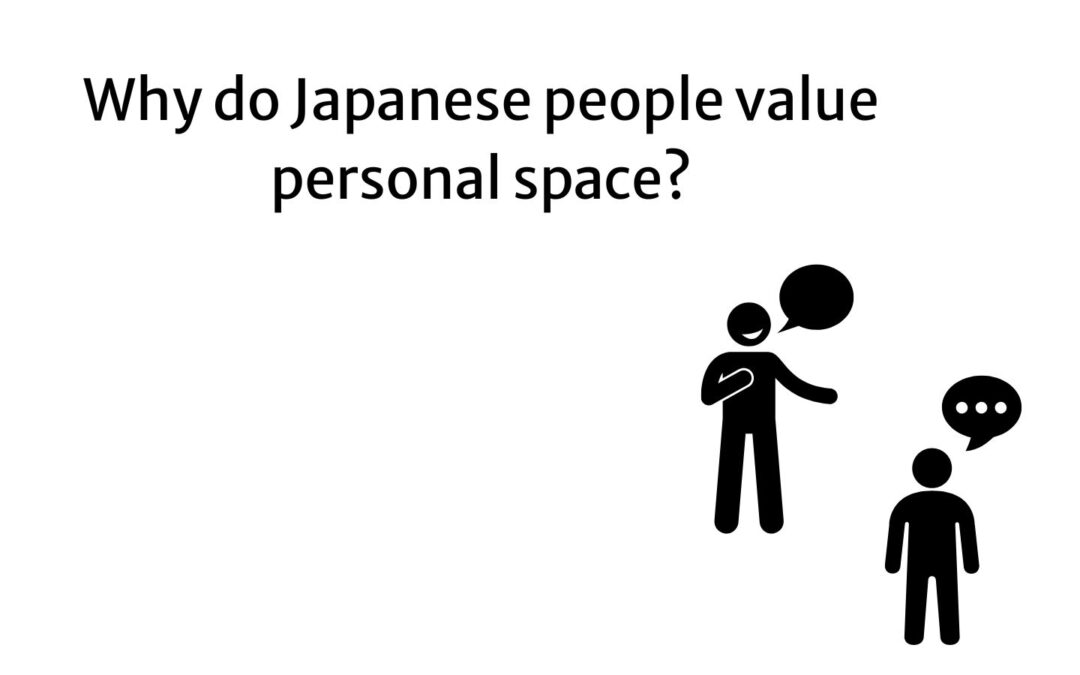
Why do Japanese people value personal space?
Today’s riddle is…Why do Japanese people keep such a careful distance from others?They avoid physical contact, rarely touch strangers,and even in crowded places, they seem to protect an invisible boundary. Is it shyness?Politeness?Or something deeper hidden in...
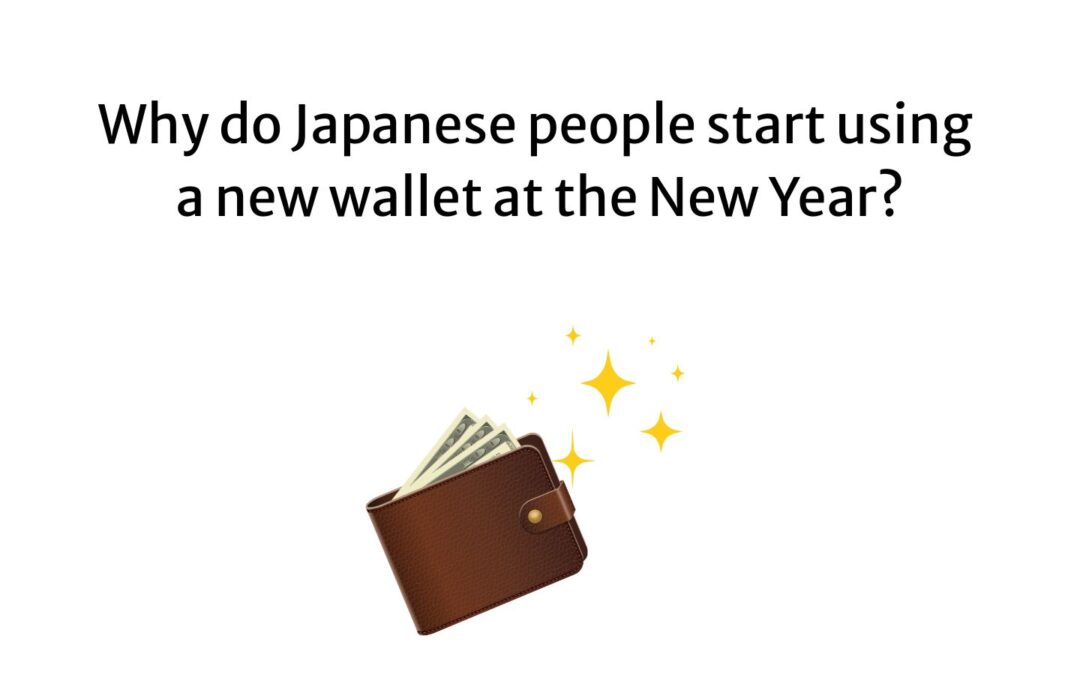
Why do Japanese people start using a new wallet at the New Year?
Today’s riddle is…Why do so many Japanese people buy a new wallet at the end of the yearand start using it on January 1st? Is it about money?Luck?Or something deeper hidden in the idea of “beginning”? What It Really MeansIn Japan, the New Year is not just a change of...
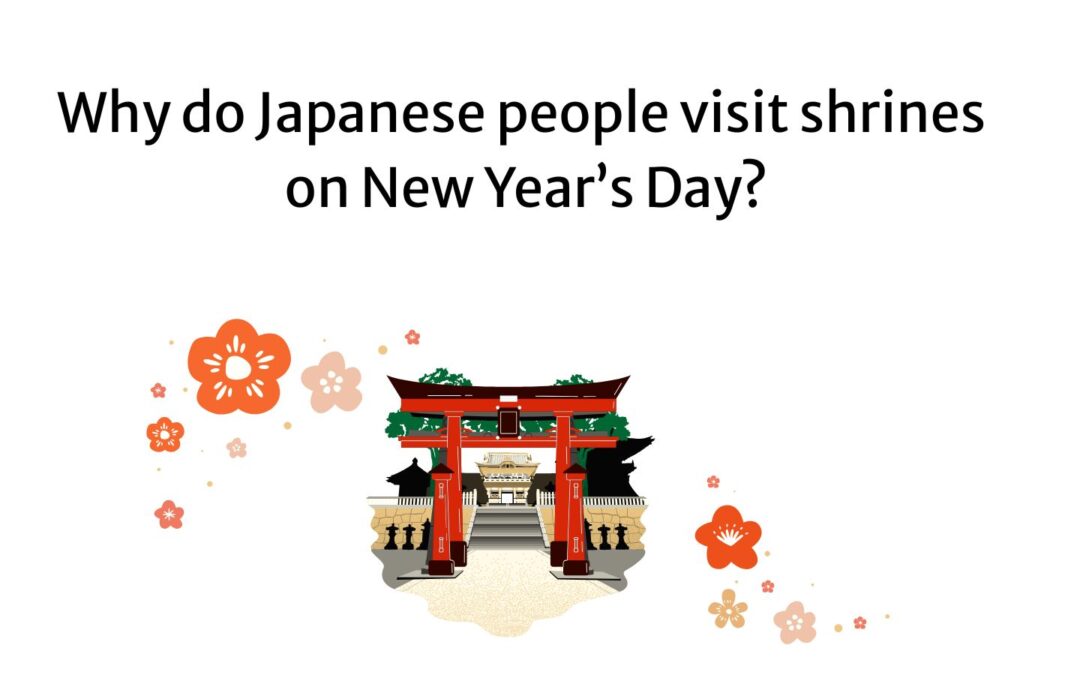
Why do Japanese people visit shrines on New Year’s Day?
Today’s riddle is…Why do millions of Japanese people quietly walk to shrines and temples at the beginning of the year?They line up in silence, wash their hands, bow, clap, and whisper wishes.Is it religion? Tradition? Or something deeper—something unspoken? What It...

Why do Japanese people send New Year Cards instead of Christmas Cards?
Today's Riddle is...In many countries, December is filled with Christmas cards.People send messages of warmth, joy, and celebration before the year ends. But in Japan, something feels different. Instead of Christmas cards, Japanese people send New Year cards—after the...

Why does Japan have Zodiac animals instead of Santa?
Today’s riddle is…In many countries, the end of the year means Santa Claus.But in Japan, the new year begins with animals. Why does a dragon, a rabbit, or a snake appearwhere Santa never does? What It Really MeansJapanese zodiac animals, called Eto (干支), are not...
Why Are Japanese Streets Clean Without Trash Cans?
Today's Riddle is...You walk through Tokyo.The streets are spotless.Not a single piece of trash in sight. But then you notice something strange. There are almost no trash cans. No bins on the streets.No bins near vending machines.Sometimes, not even at train stations....
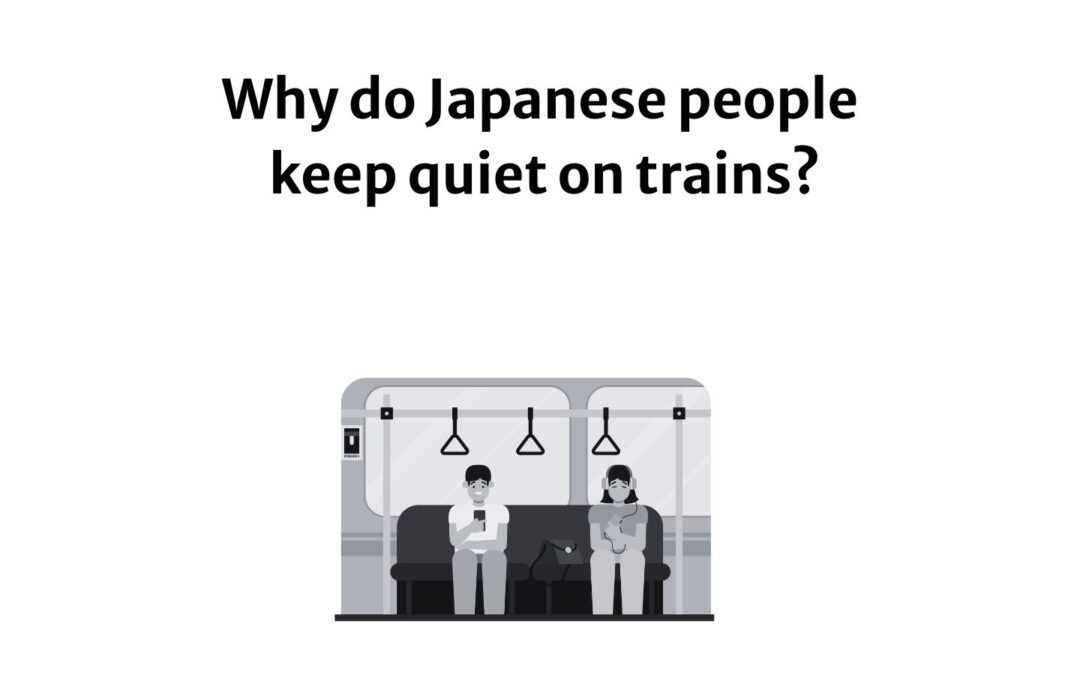
Why do Japanese people keep quiet on trains?
Today's Riddle is...Visitors often notice it immediately. Rush hour trains packed with people—yet no loud phone calls,no shouting across seats,no music leaking from headphones. In many countries, public transport is noisy by nature.So why, in Japan, does silence seem...
Why do Japanese people return lost items?
Today's Riddle is...In many countries, losing something means it’s gone forever.But in Japan, wallets, phones—even cash—often come back. Why do Japanese people return lost itemseven when no one is watching? Is it honesty?Fear of punishment?Or something quieter than...
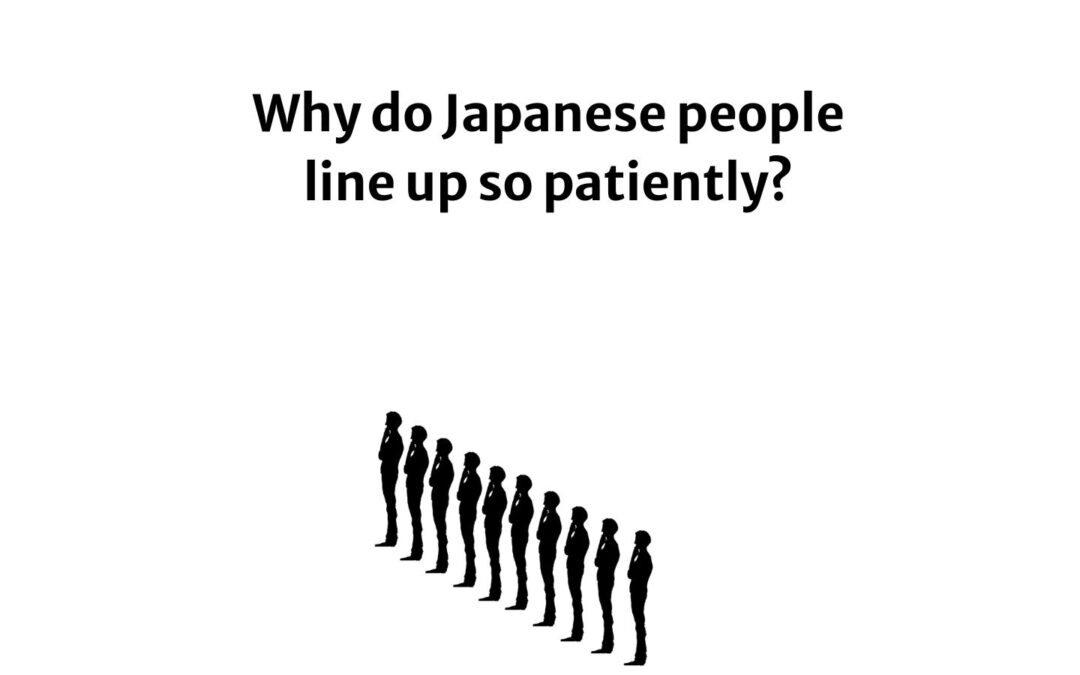
Why do Japanese people line up so patiently?
Today's Riddle is...Why do Japanese people line up so quietly and patiently?At train platforms, shops, elevators, even vending machines—people wait, sometimes for a long time, without complaint.Is it discipline? Obedience? Or something more subtle? What...
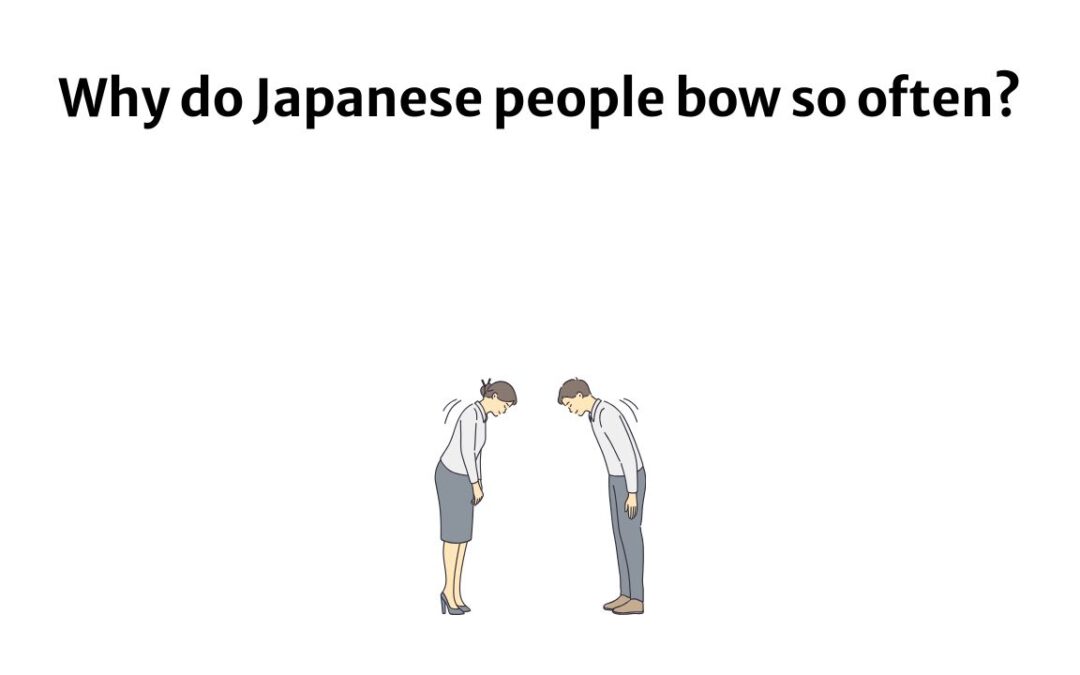
Why do Japanese people bow so often?
Today's Riddle is...Why do Japanese people bow so often?When meeting, thanking, apologizing, or even speaking on the phone—their bodies move before their words do.Is it just politeness, or is something deeper being expressed? What It Really MeansBowing in Japan is not...

Mushin – Why “Empty Mind” in Japan Is Not Empty at All
Why “Empty Mind” in Japan Is Not Empty at All Ridley sat quietly in a Zen temple garden in Kyoto.He had joined a short Zazen session for visitors.The monk said, “Empty your mind.” Ridley tried. He tried not to think.He tried not to judge.He tried not to try. Soon, he...

Wabi-Sabi
Why does a broken bowl become more precious in Japan? Ridley stood in front of a small tea bowl in a museum in Kyoto.It was cracked — yet covered with gold. “Why is this broken bowl displayed like treasure?”he whispered. Beside him, Nazonazo-san smiled gently....

Mujō – The Zen Beauty of Impermanence
Sometimes, a single Zen word reminds us of somethingwe already knew… but often forget. Today’s whisper is mujō — impermanence. Zen RiddleZen Riddle:If everything is always changing,why do we feel surprised when it actually does?Cultural UnpackIn Japanese...