Today’s riddle is…

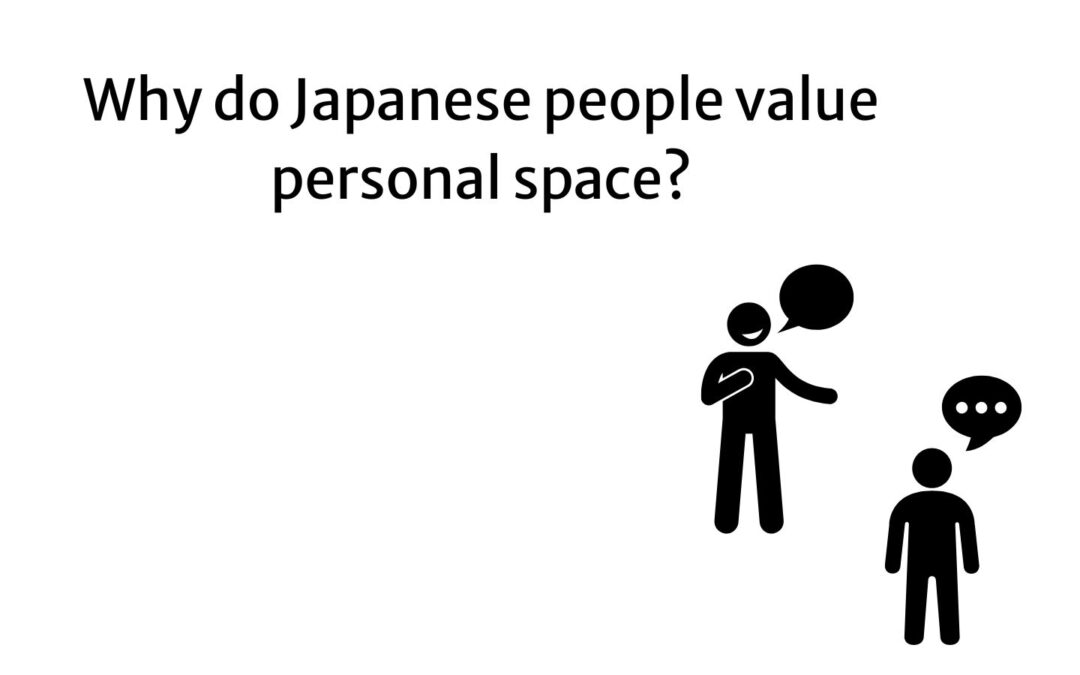
Why do Japanese people keep such a careful distance from others?
They avoid physical contact, rarely touch strangers,
and even in crowded places, they seem to protect an invisible boundary.
Is it shyness?
Politeness?
Or something deeper hidden in everyday behavior?
What it really means
In Japan, personal space is not only about comfort.
It is about respect.
Keeping distance means:
-
not invading someone’s emotional state
-
not forcing your presence onto others
-
not demanding attention
-
not creating discomfort without words
Japanese culture values non-intrusion.
Instead of expressing closeness through touch,
it expresses care through restraint.
Distance is not rejection.
It is consideration.
In everyday Japan
You can see this sense of personal space everywhere:
-
people stand quietly in elevators
-
commuters avoid eye contact on trains
-
conversations are kept low in volume
-
strangers rarely touch, even accidentally
-
people step aside rather than push forward
Even in crowded cities,
people try to protect each other’s invisible bubbles.
Why it feels strange to foreigners
In many cultures, closeness means friendliness.
-
standing close shows openness
-
touching shows warmth
-
speaking loudly shows confidence
So Japanese distance can feel:
-
cold
-
distant
-
uninterested
But the intention is the opposite.
Japanese personal space says:
“I acknowledge you, without disturbing you.”
Ridley & Nazonazo-san

“People keep so much distance here.
Do they not want to connect?”

“When you admire a garden,
do you step inside the flowers?”
“No… you observe from outside.”
“Just so.
Distance allows things to remain beautiful.”

“So personal space is a kind of respect?”
“A quiet one.
The kind that needs no words.”
A small cultural note
This sense of distance connects to many Japanese behaviors:
-
bowing instead of touching
-
silence in public places
-
indirect communication
-
valuing harmony over expression
Personal space is part of a larger idea:
living together without friction.
Takeaway
Japanese people value personal space
not because they want to be alone,
but because they want everyone to feel at ease.
Sometimes,
distance is the most thoughtful form of kindness.